Critters
-
Micro worms
Usual price €6.99 EURUsual priceUnit price / byPromotional price €6.99 EUR -
Vinegar eels "ready to use"
Usual price €7.99 EURUsual priceUnit price / byPromotional price €7.99 EUR -
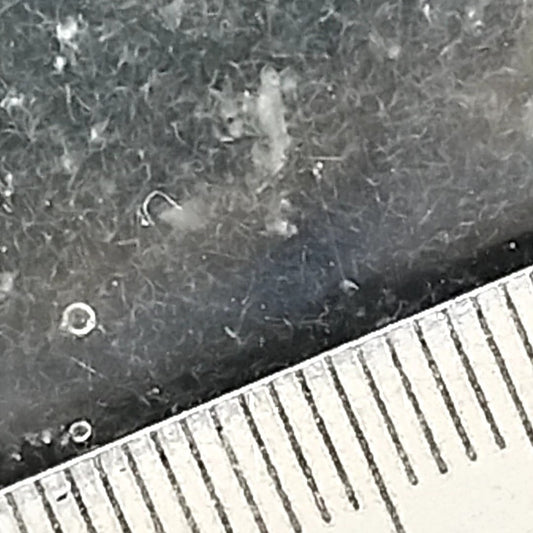
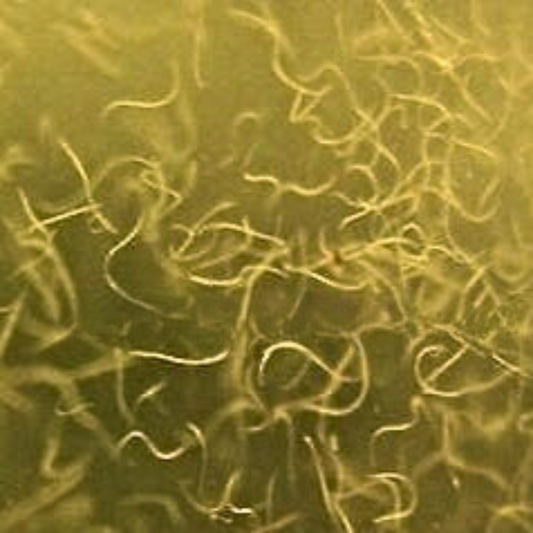
Vinegar eels
Usual price €5.99 EURUsual priceUnit price / byPromotional price €5.99 EUR -
Live natural plankton
Usual price of the €5.99 EURUsual priceUnit price / byPromotional price of the €5.99 EUR -
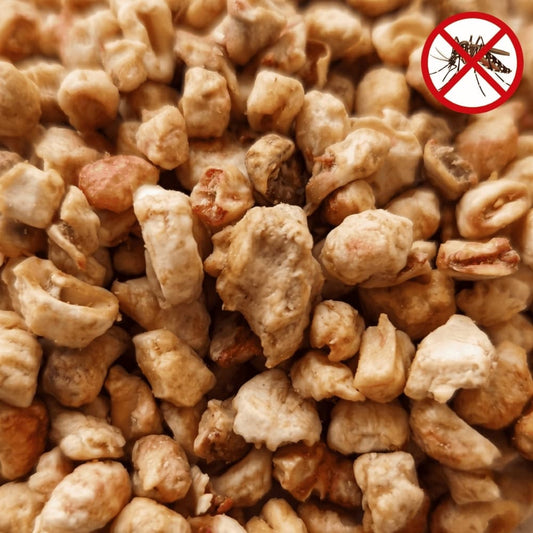
Alder cones
Usual price of the €4.99 EURUsual priceUnit price / byPromotional price of the €4.99 EUR -
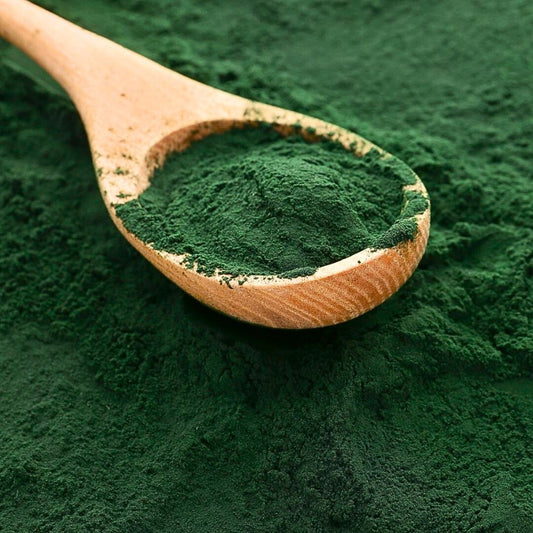
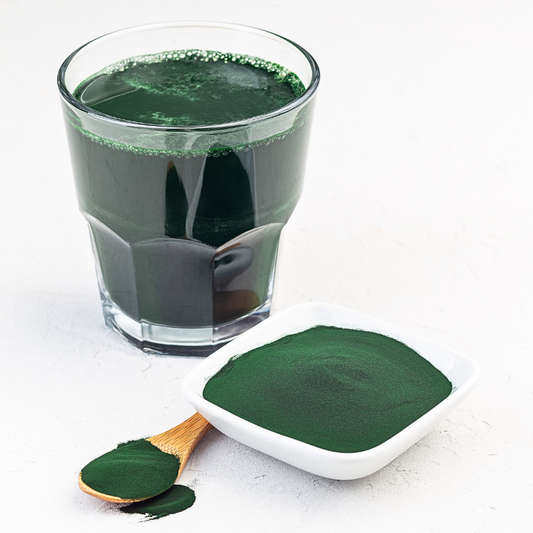
Pure micronized spirulina
Usual price €5.49 EURUsual priceUnit price / byPromotional price €5.49 EUR -
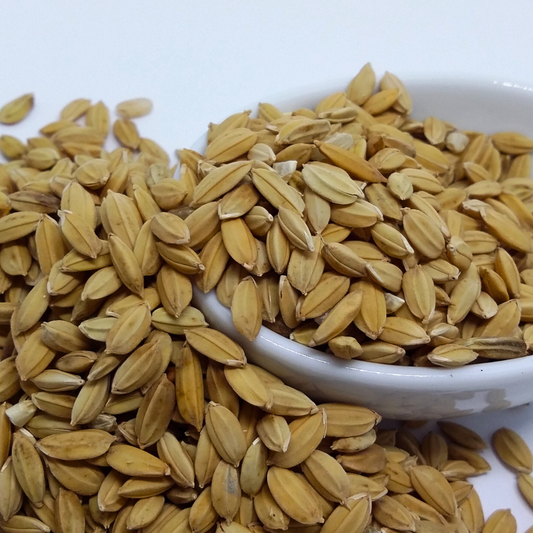
Untreated paddy rice
Usual price of the €5.99 EURUsual priceUnit price / byPromotional price of the €5.99 EUR -
Special Food for Springtails
Usual price €6.99 EURUsual priceUnit price / byPromotional price €6.99 EUR -
Special Food for Micro worms
Usual price of the €4.99 EURUsual priceUnit price / byPromotional price of the €4.99 EUR -
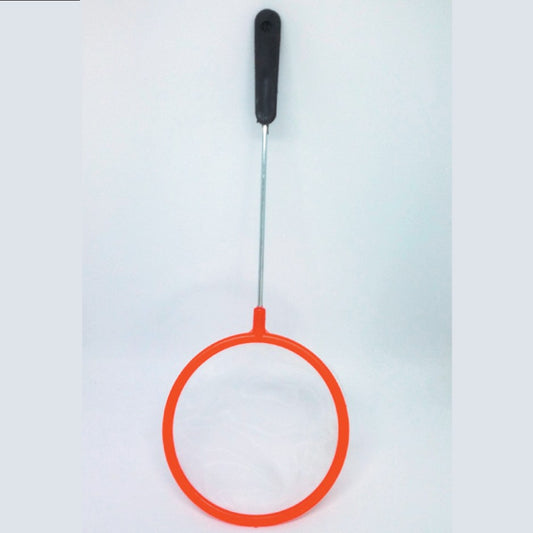
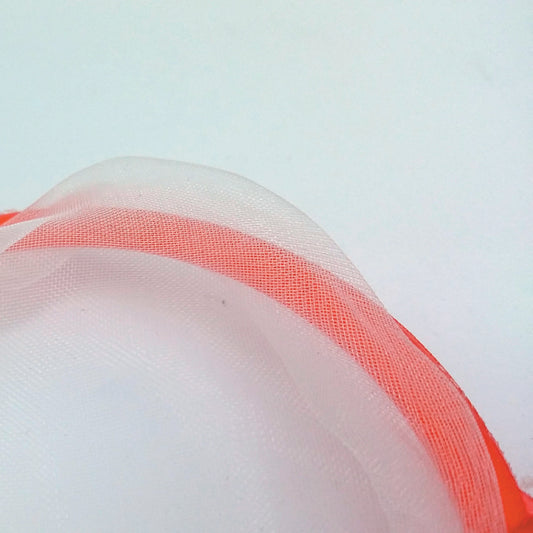
Zooplankton net
Usual price €5.20 EURUsual priceUnit price / byPromotional price €5.20 EUR
Gathering: Critters
Micro-fauna, critters, and snails: natural cleaners for a balanced natural aquarium
Why add micro-fauna in a natural aquarium?
- Waste regulation: transform leftover food, dead leaves, and excrement into nutrients for plants
- Biological filtration without pump: prepare the work of bacteria in low-tech
- Active biodiversity: provide a complete microbiota essential to the ecosystem
- Live food: base of the natural aquatic food chain
- Total compatibility: works in planted aquarium, trash can or nano without filter
What types of organisms are recommended?
Useful snails
| Species | Features |
|---|---|
| Melanoides | Lives under the sand during the day and comes out at night |
| Great pond snail | Very algivorous, ideal in ponds, likes to come out of the water |
| Bladder snail | Wall scraper, algae consumer, discreet. Respects plants |
| Ramshorn snail | Detritivores, naturally exist in several superb colors |
| - brown | |
| - pink | |
| - bluish | |
| Planorbids | A very rare micro-snail! Ideal for nano tanks |
Crustaceans and other invertebrates
| Species | Features |
|---|---|
| Water lice | Decomposers of all dead tissues, for the health of plants and the ecosystem |
| Daphnia | Base of the aquatic food chain, effectively fight against green water |
| Ostracods | Micro-cleaners of surfaces, feed on microscopic organic waste |
| Tubifex | Worms capable of living without oxygen! They feed on excess bacteria |
| Blackworm | The fish caviar. They live in the sand they clean, reproduce by division |
| Glossiphonids | Tiny leeches that eat worms and bladder snails, eliminate dead animals |
Who is this micro-fauna for?
- Beginners wanting an exciting natural aquarium without complex equipment
- Aquarists wishing to feed their fish with natural foods
- Experienced enthusiasts preparing their breeders for spawning
- Outdoor trash can enthusiasts: balance without filter, aquatic biodiversity
- Schools & educational projects: observation of the biological cycle and ecosystems
- Enthusiasts wishing to build a complete and stable aquatic ecosystem
How to introduce and maintain the micro-fauna?
- To feed the fish: pour into several well-planted areas simultaneously
- Gentle acclimation recommended, especially in ponds with very hot or cold water
- Turn off the filter during feeding to avoid suction by the pump
- Monitoring: a population explosion signals and corrects an excess of waste
Frequently asked questions
Will the snails multiply too quickly?
No. Their population follows the amount of available food. Their multiplication signals an excess of food and is precisely the remedy to the problem.
Can they live in all tanks?
Not very long in the presence of fish concerning ostracods, Daphnia, tubifex or Blackworm. But why not dedicate an aquarium for plants and invertebrates to them?
Do they need to be fed?
Their main food comes from existing waste; no addition required.
Can they leave the aquarium?
They stay in the water; if they climb out of the tank it is often due to lack of oxygen. Only the great pond snail tends to leave the aquarium if the water level is high.
How long do they live?
From a few weeks (Daphnia) to more than two years (snails) depending on the species and temperature. The lower it is, the longer they live.
Additional information
- Breeding conditions: raised without contact with fish, without treatment or chemicals
- Packaging: always harvested the same morning as their shipment, packaged in double sealed bags
- Recommendation: as a rule, please ensure not to release invertebrates into the wild, even if they are present in your local ecosystems
-
Shipment security
Your live items are shipped from Monday to Wednesday noon to avoid any weekend delays.
Delivery is carried out within an estimated time of 48 hours.
For France, an Express delivery option is available for shipment until Thursday noon. -
100% French producer
We are growers and breeders of plants and water-dwelling invertebrates,
from which we select and test ourselves the species best suited to natural or low-tech fishkeeping.
We hand-pack them for each order just before shipment: freshness is therefore at its peak. -
At your service
No automatons at Aquazolla!
We answer your questions by email and strive to accommodate your particular needs: holidays, shipping dates, advice, and so on.
1
/
also
3